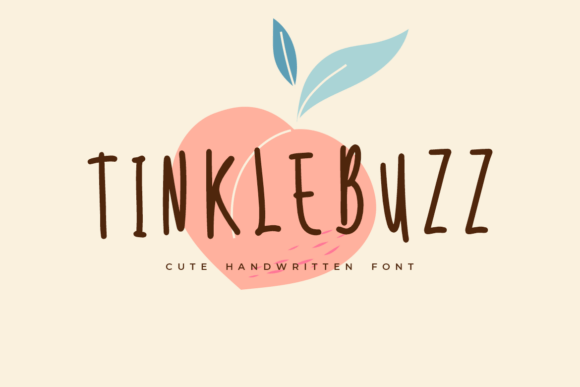
Tinklebuzz - A Playful Handwritten Font for Creative Brands
There’s something magical about starting a new brand identity project. You open a blank canvas, and suddenly the world of possibilities unfolds. Recently, I found myself in that exact moment—freshly inspired, with a new client who wanted a whimsical yet professional look for their boutique skincare line. The first step was choosing the right font, and Tinklebuzz caught my eye instantly.
Tinklebuzz is a handwritten font that feels like a warm hug from a friend. It has a spontaneous, organic feel that adds a personal touch to any design. Unlike overly stylized script fonts, Tinklebuzz strikes a perfect balance between playfulness and readability. Each letter carries a sense of motion and emotion, as if it were written by hand with care and intention.
A Font That Feels Like a Real Person
When I tested Tinklebuzz on a logo concept, it immediately felt like the right fit. The letters have subtle variations in stroke width and slight imperfections that make them feel human. This isn’t a sterile, machine-generated font—it’s more like a handwritten note you might receive from someone who truly cares about what they’re saying.
I used it on a packaging mockup for the skincare brand, and the result was charming. The font didn’t overpower the product, but it added just the right amount of character. It worked beautifully on labels, bottle tags, and even on the back of a sample card. It gave the brand an approachable and trustworthy vibe without sacrificing elegance.
Where Tinklebuzz Shines in Branding Projects
Tinklebuzz is best suited for display purposes rather than body text. It shines in short phrases, headlines, and logos. I found it particularly effective when paired with a clean sans-serif font for contrast. For example, using Tinklebuzz for a headline and Helvetica Neue for supporting text created a nice visual rhythm that kept the design both playful and professional.
In web design, I placed Tinklebuzz on a homepage hero section, and it looked great with a soft background texture. It didn’t feel too cluttered or overwhelming. On social media graphics, it added a friendly tone that resonated well with the target audience—mostly young women interested in natural beauty products.
However, I noticed that Tinklebuzz might not be ideal for long-form content or small print sizes. When I tried using it for a lengthy blog post, the legibility dropped slightly. Similarly, when I printed it on a business card at a smaller size, some of the finer details got lost. So, it’s best reserved for decorative use or short bursts of text.
Testing Tinklebuzz in Real-World Scenarios
I experimented with Tinklebuzz across several real-world applications. On a shop sign for a fictional bakery, it added a fun, inviting atmosphere. It worked well on a product label for a handmade soap, giving it a personal, artisanal feel. Even on a poster for a local art show, it brought a sense of creativity and spontaneity that matched the event’s theme.
One thing I appreciated was how easily it integrated into a brand board. It complemented other design elements like color palettes and illustrations without clashing. It also allowed for creative expression through alternates and ligatures, which made the typography feel more dynamic and engaging.
If you're considering using Tinklebuzz in your branding, I recommend testing it in different contexts before finalizing your design. Try it on a logo draft, a website header, and a social media layout. See how it behaves in various sizes and backgrounds. This will help you determine whether it aligns with your brand's personality and goals.
Font Pairing and Licensing Tips
For font pairing, I suggest combining Tinklebuzz with a serif or sans-serif font for better contrast. A classic serif font like Georgia can add sophistication, while a modern sans-serif like Montserrat can bring clarity and structure. Both pairings work well in editorial design and brand identity projects.
Before using Tinklebuzz in any commercial project, always check the licensing agreement. Make sure you have the right to use it in print, digital, or merchandise formats. Some fonts require specific licenses for web use or large-scale production, so it’s important to understand the terms.
Tinklebuzz is available from Script Amp, and it comes with a range of styles and weights that give you flexibility in your design work. Whether you need it for a logo, packaging, or a creative studio identity, this font offers a unique blend of charm and versatility that can elevate your brand’s visual storytelling.